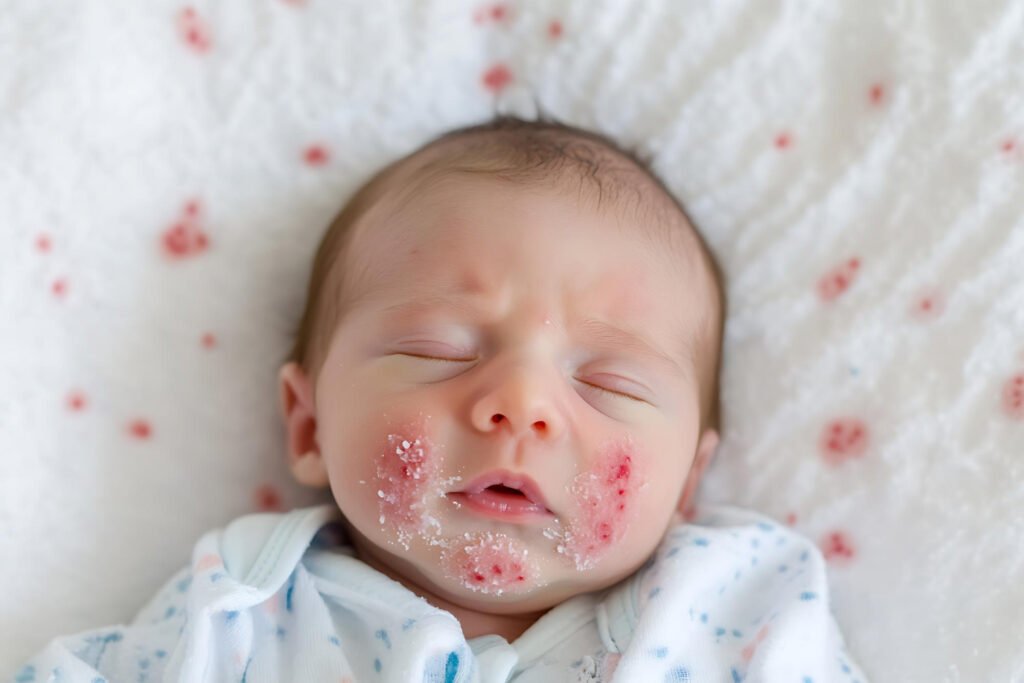
Pediatric skin infections are common because children have developing immune systems and delicate skin that reacts quickly to bacteria, fungi and viruses. Recognizing early signs helps parents respond with confidence and know when to seek medical care. Most infections are treatable when identified early, and understanding the basics prevents unnecessary worry.
Bacterial Infections
Bacterial infections often begin when bacteria enter through small cuts, insect bites or irritated skin. Impetigo is the most common type and appears as honey-colored crusts around the mouth, nose or hands. Sometimes, red and swollen areas may indicate cellulitis, which needs prompt medical treatment. Keeping the skin clean, trimming nails and avoiding scratching can reduce the risk of these infections.
Fungal Infections
Fungal infections such as ringworm are very frequent in children. They create round, scaly patches with a slightly raised edge. When they affect the scalp, hair may thin in that area. These infections spread easily in schools and playgrounds. Using antifungal creams or shampoos as recommended and avoiding sharing towels, combs or caps help prevent transmission.
Viral Infections
Certain viruses cause rashes and bumps on the skin. Hand-foot-mouth disease results in small blisters on the palms, soles and inside the mouth, usually accompanied by fever. Molluscum contagiosum appears as small, shiny bumps and spreads through skin contact or shared items. Most viral infections resolve on their own, but a proper diagnosis ensures safe management and prevents unnecessary treatments.
Yeast Infections
Yeast infections commonly appear in warm, moist areas of the body. Infants may develop candida diaper rash, which looks red, shiny and may have small satellite bumps. Using breathable diapers, keeping the area dry and applying prescribed creams help control the infection. Older children may develop yeast infections in skin folds, especially during hot weather.
Parasitic Infections
Kids may occasionally develop parasitic infections such as scabies or lice. Scabies causes intense nighttime itching and tiny burrow lines between fingers, around wrists or on the waistline. Lice infestations appear as itching on the scalp and tiny eggs attached to hair strands. Treating the child and washing bedding and clothing properly prevent reinfection.
When to See a Pediatric Dermatologist
Parents should seek medical advice when infections spread rapidly, cause significant discomfort, last more than two weeks or do not improve with basic care. A specialist can confirm the diagnosis, recommend safe treatments and help prevent the infection from returning.
Pediatric skin infections are common but manageable when identified early. With proper guidance and timely care, children recover quickly and comfortably while maintaining healthy skin.