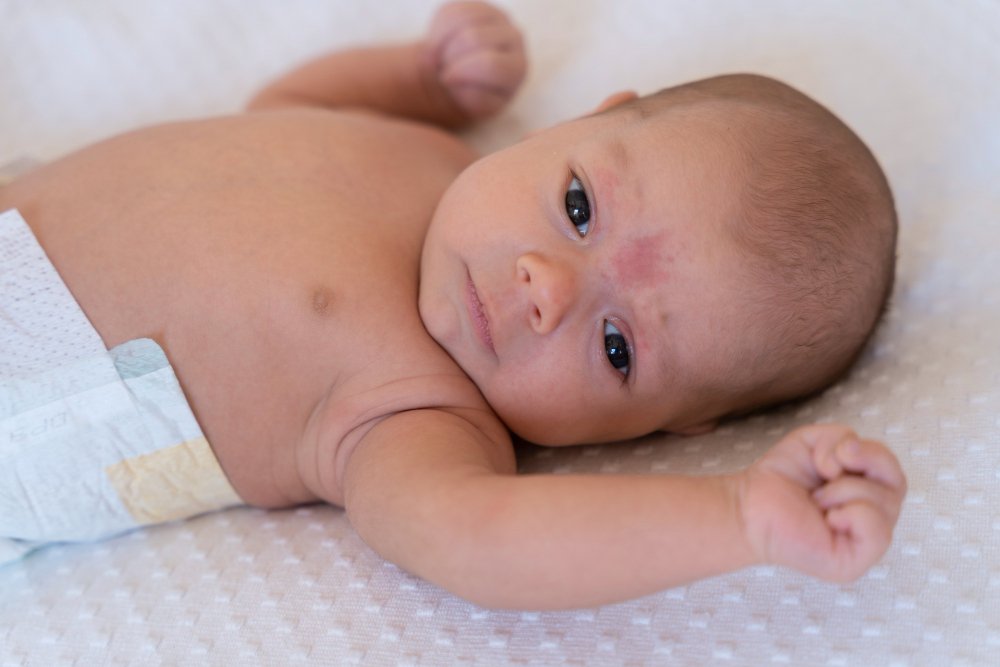
Eczema in babies is one of the most common skin conditions that parents encounter during the first year of life. Characterized by dry, itchy, and inflamed skin, eczema also known as atopic dermatitis can cause significant discomfort for infants and concern for parents.
The good news is that eczema is manageable with the right approach. Early understanding, proper skin care, and timely treatment can significantly reduce flare-ups and improve your baby’s comfort.
This guide explains everything parents need to know about eczema in babies from causes and symptoms to treatment and daily care.
What Is Eczema in Babies?
Eczema is a chronic inflammatory skin condition that affects the skin barrier, making it dry, sensitive, and prone to irritation.
In babies, eczema typically appears:
- Between 2 to 6 months of age
- On cheeks, scalp, arms, and legs
- As red, dry, or flaky patches
It may come and go in cycles, with periods of flare-ups and improvement.
Why Do Babies Get Eczema?
Eczema is not caused by poor hygiene. It is usually due to a combination of factors:
1. Weak Skin Barrier
A baby’s skin loses moisture easily, allowing irritants to enter.
2. Genetics
If parents have eczema, asthma, or allergies, the baby has a higher risk.
3. Immune System Sensitivity
The skin reacts more strongly to triggers.
4. Environmental Factors
Heat, cold weather, pollution, and allergens can worsen eczema.
Common Symptoms of Eczema in Babies
Recognizing early symptoms helps in faster treatment.
Typical Signs Include:
- Dry, rough skin
- Red or inflamed patches
- Itching (baby may rub or scratch)
- Small bumps or oozing in severe cases
- Thickened skin in chronic cases
Common Areas Affected:
- Cheeks
- Scalp
- Elbows and knees
- Arms and legs
Triggers That Can Worsen Eczema
Eczema flare-ups are often triggered by external factors.
Common Triggers:
- Harsh soaps or shampoos
- Synthetic or wool clothing
- Heat and sweating
- Dust and pollution
- Certain foods (in some cases)
- Fragranced products
- Dry weather
Identifying and avoiding triggers is key to managing eczema.
Daily Skin Care Routine for Babies with Eczema
A proper daily routine can significantly reduce flare-ups.
1. Bathing Routine
- Use lukewarm water
- Limit baths to 5–10 minutes
- Use gentle, fragrance-free cleansers
2. Moisturising (Most Important Step)
- Apply moisturiser immediately after bath
- Use thick creams, not lotions
- Reapply 2–3 times a day
3. Clothing Care
- Use soft cotton clothes
- Wash with mild detergents
- Avoid fabric softeners
4. Keep Nails Short
Prevents skin damage from scratching.
Treatment Options for Baby Eczema
Treatment depends on severity.
1. Moisturisers
First-line treatment for all eczema cases.
2. Medicated Creams
Prescribed by a dermatologist to reduce inflammation.
3. Anti-Itch Care
Helps reduce discomfort and prevent scratching.
4. Infection Control
If skin gets infected, medical treatment is needed.
⚠️ Always avoid self-medication or over-the-counter steroid creams without medical advice.
Is Eczema Related to Food Allergies?
Not all babies with eczema have food allergies.
However, in some cases:
- Food may trigger flare-ups
- Common triggers include milk, eggs, nuts
👉 Food elimination should only be done under medical supervision.
Can Eczema Be Cured?
Eczema is a chronic condition, but it can be effectively controlled.
Many children:
- Improve as they grow older
- Experience fewer flare-ups with proper care
The goal is long-term management, not quick fixes.
When Should You See a Dermatologist?
Consult a pediatric dermatologist if:
- Eczema is severe or spreading
- Skin becomes infected (pus, crusting)
- Baby is extremely uncomfortable
- No improvement with basic care
- Frequent flare-ups occur
Early intervention prevents complications.
Common Mistakes Parents Should Avoid
- Using too many skincare products
- Trying home remedies like turmeric or oils
- Overbathing the baby
- Ignoring early symptoms
- Using adult creams or medications
Simple care is often the best care.
Tips for Parents
- Stick to a consistent skincare routine
- Use minimal, gentle products
- Avoid experimenting with new products frequently
- Focus on long-term skin health
- Follow dermatologist guidance
Final Thoughts
Eczema in babies can feel overwhelming, but with the right knowledge and care, it becomes manageable. A gentle skincare routine, trigger avoidance, and timely medical advice can help your baby stay comfortable and healthy.
Remember, every baby’s skin is different. What works for one may not work for another so personalized care is essential.