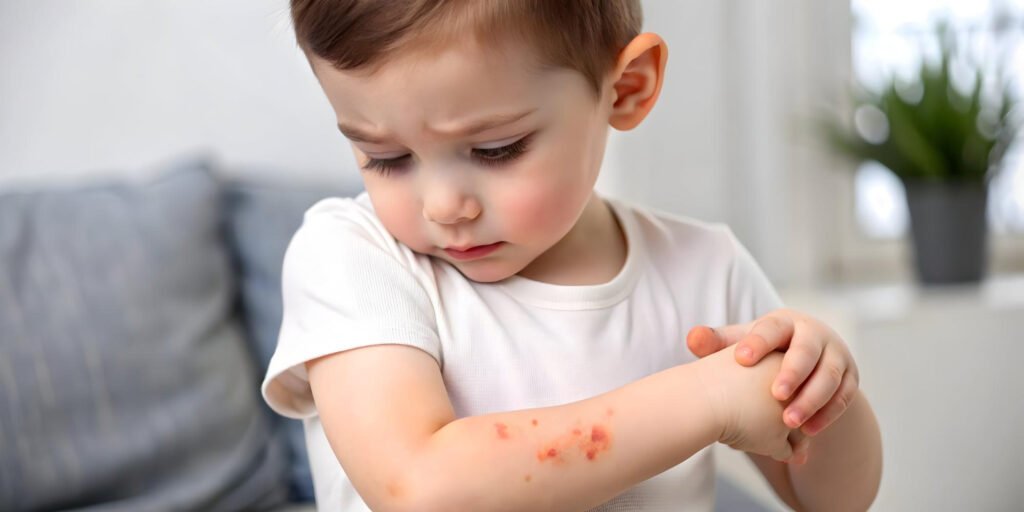
Most skin problems seen in children are common and resolve on their own. However, in a small number of cases, unusual or persistent changes may point to rare pediatric skin diseases that require early medical attention. Knowing what to watch for can help parents seek timely care and avoid delays in diagnosis.
Why uncommon skin conditions may go unnoticed
Many rare pediatric skin conditions begin with signs that closely resemble common rashes, infections, or allergic reactions. Because these early symptoms often appear mild, they may be treated repeatedly without improvement. Pediatric dermatologists are trained to identify subtle patterns and warning signs that suggest a condition may be uncommon and needs further evaluation.
Skin changes parents should observe carefully
Parents should pay attention when skin changes persist or behave differently than expected. Warning signs can include marks present since birth that change in size or color, rashes that do not respond to routine treatment, frequent or unusual skin infections, unexplained thickening or thinning of the skin, or noticeable changes in hair and nails. While these signs do not always indicate a serious condition, they can sometimes be linked to a rare underlying disorder.
Conditions that may fall into the rare category
Some rare pediatric skin diseases are associated with genetic conditions, immune system disorders, or metabolic abnormalities. These may present as distinctive birthmarks, nodules, scaling, or evolving patterns on the skin. Early recognition allows doctors to decide whether additional tests, monitoring, or multidisciplinary care is required.
Why early diagnosis makes a difference
Identifying rare skin diseases early can prevent complications, reduce discomfort, and support healthy growth and development. Early care often helps manage symptoms more effectively and provides families with clarity and reassurance. In certain situations, early diagnosis also allows parents to prepare for long-term care or follow-up when needed.
When specialist evaluation is recommended
Parents should consider consulting a pediatric dermatologist if a child has persistent, unexplained, or worsening skin changes, especially when these affect comfort, sleep, school participation, or daily routines. Specialist evaluation ensures accurate diagnosis, appropriate guidance, and peace of mind.
Although rare pediatric skin diseases are uncommon, awareness and timely expert care play an important role in improving outcomes and supporting families through the diagnostic process.