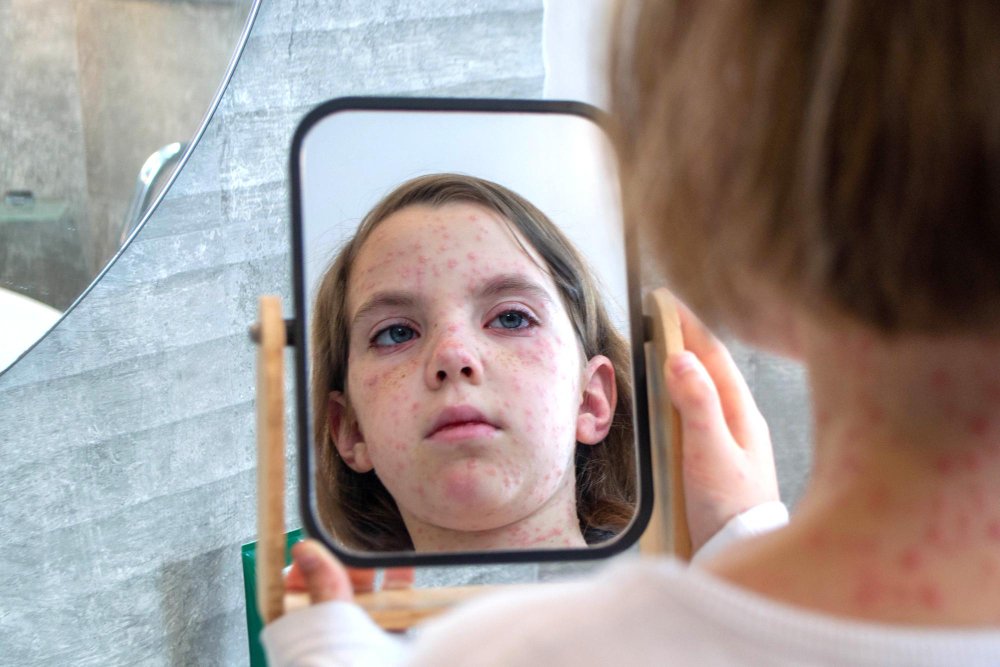
Acne is one of the most common skin concerns during the teenage years. From occasional pimples to persistent breakouts, it can affect not only the skin but also a teenager’s confidence and emotional well-being.
With social media full of skincare trends, DIY remedies, and quick-fix solutions, many teens end up following advice that may actually worsen acne instead of improving it.
The key to managing acne effectively is understanding what truly works, what doesn’t, and when to seek professional help. This guide provides a clear, science-based approach to teen acne treatment that is safe, practical, and effective.
Why Do Teens Get Acne?
Acne during teenage years is primarily driven by hormonal changes.
Main Causes of Teen Acne
1. Increased Oil Production
Hormones stimulate sebaceous glands to produce more oil, which clogs pores.
2. Blocked Pores
Dead skin cells mix with oil and block hair follicles.
3. Bacteria
Bacteria grow in clogged pores, leading to inflammation.
4. Hormonal Changes
Puberty triggers fluctuations that increase breakouts.
5. External Factors
Stress, diet, skincare habits, and environment can worsen acne.
Types of Acne in Teenagers
Understanding the type of acne helps in choosing the right treatment.
Common Types
- Whiteheads (closed pores)
- Blackheads (open pores)
- Papules (small red bumps)
- Pustules (pimples with pus)
- Nodules or cysts (deep, painful acne)
What Works for Teen Acne
1. Gentle Cleansing Routine
Wash face twice daily with a mild cleanser.
Over-washing can irritate the skin and worsen acne.
2. Use of Medically Approved Products
Dermatologist-recommended ingredients include:
- Salicylic acid
- Benzoyl peroxide
- Retinoids (under guidance)
These help unclog pores, reduce bacteria, and control oil.
3. Consistent Skincare Routine
Consistency is key. Results take time — usually 4–8 weeks.
4. Oil-Free Moisturising
Even oily skin needs hydration. Use non-comedogenic moisturisers.
5. Sun Protection
Use lightweight, gel-based sunscreen to prevent pigmentation and acne marks.
6. Professional Treatment (When Needed)
Moderate to severe acne may require:
- Prescription creams
- Oral medications
- Chemical peels
- Laser treatments for scars
What Does NOT Work (Common Mistakes)
1. Following Social Media Trends
DIY hacks and influencer routines often lack medical backing.
2. Overusing Products
Using too many products can irritate skin and worsen acne.
3. Popping Pimples
Leads to infection, scarring, and pigmentation.
4. Using Home Remedies
Ingredients like toothpaste, lemon, turmeric may harm sensitive skin.
5. Skipping Moisturiser
Dry skin can trigger more oil production.
6. Expecting Instant Results
Acne treatment takes time. Quick fixes don’t work.
Skincare Routine for Teens (Simple & Effective)
Morning Routine
- Gentle cleanser
- Light moisturiser
- Sunscreen
Night Routine
- Cleanser
- Treatment cream (if prescribed)
- Moisturiser
Diet and Acne: Is There a Link?
Diet may influence acne in some individuals.
Possible Triggers
- High sugar foods
- Processed foods
- Excess dairy (in some cases)
Helpful Habits
- Balanced diet
- Hydration
- Fresh fruits and vegetables
Acne Scars: Prevention Is Better Than Treatment
Preventing scars is easier than treating them.
How to Prevent
- Avoid picking pimples
- Start treatment early
- Follow proper skincare
Treatment Options
- Chemical peels
- Laser treatments
- Microneedling
When Should You See a Dermatologist?
Consult a specialist if:
- Acne is severe or painful
- No improvement after basic care
- Scarring or pigmentation appears
- Acne affects confidence
Early treatment prevents long-term damage.
Mental & Emotional Impact of Acne
Teen acne is not just a physical issue. It can affect:
- Confidence
- Social interactions
- Self-esteem
Support from parents and proper treatment can make a big difference.
Guidance for Parents
Parents play an important role in managing teen acne.
- Avoid pressuring or criticizing
- Encourage healthy habits
- Avoid random product use
- Seek professional advice early
Final Thoughts
Teen acne is common, manageable, and treatable with the right approach. The key is to avoid trends, follow a consistent routine, and seek expert advice when needed.
Healthy skin takes time, patience, and the right guidance not shortcuts.