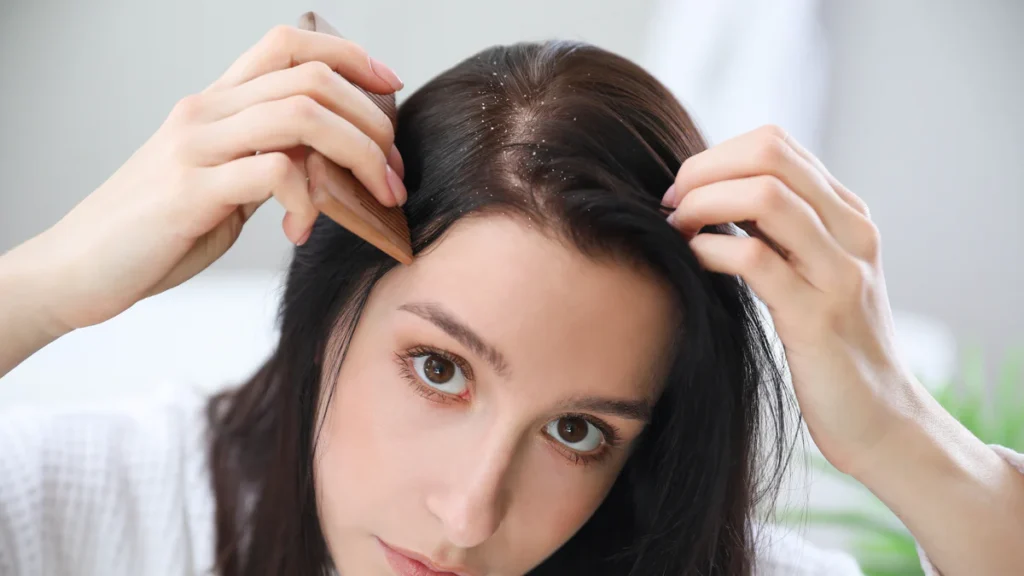
Monsoon scalp problems often become more noticeable during the rainy season. The scalp feels oilier, sweat builds up faster, and hair stays damp for longer. These changes can trigger dandruff, itching, irritation, and fungal scalp problems. For some people, monsoon also worsens existing scalp conditions such as seborrheic dermatitis. What starts as mild itching or a few flakes can turn into persistent discomfort if the scalp does not get proper care.
Knowing why these scalp issues increase during monsoon can help you protect your scalp and seek treatment before the problem becomes harder to manage.
Why the Scalp Changes During Monsoon
The scalp reacts quickly to humidity, sweat, and poor ventilation. During monsoon, the air holds more moisture, and the scalp often stays warm and damp. Rain, sweat, and slow drying after hair wash can all add to the problem. This moist environment disrupts the scalp’s natural balance and makes irritation more likely.
Humidity also encourages the growth of yeast and fungi on the scalp. When oil, sweat, and dead skin collect together, the scalp becomes more prone to itching, flakes, and infection. People with sensitive scalps often notice these changes more quickly.
Why Dandruff Often Gets Worse
Many people think dandruff appears only when the scalp becomes dry, but that is not always true. During monsoon, excess oil and sweat can also worsen dandruff. The scalp may produce more oil, and that oil can mix with sweat, dirt, and dead skin. This creates an unhealthy scalp environment and makes flakes more visible.
Dandruff during monsoon may appear as white or yellow flakes, scalp itching, and mild redness. In some cases, the scalp may also feel greasy and irritated. If the condition becomes severe, flakes may spread to the eyebrows, hairline, or behind the ears.
Why Itching Becomes a Common Complaint
Scalp itching is one of the most common monsoon complaints. Sweat trapped on the scalp can irritate the skin and cause discomfort. Dandruff, fungal growth, excess oil, and product buildup can also trigger itching. If a person scratches repeatedly, the scalp becomes even more inflamed.
Constant scratching can damage the skin barrier and create tiny breaks in the scalp. This makes it easier for infection and inflammation to develop. A scalp that itches every day should not be ignored, especially if it also shows flakes, redness, or scaling.
How Fungal Problems Develop on the Scalp
Fungal scalp problems increase during monsoon because fungi thrive in warm and moist conditions. A scalp that stays damp for hours after rain or washing creates the ideal environment for fungal growth. Sharing combs, towels, or hair accessories can also increase the risk.
Fungal scalp problems may cause itching, patchy scaling, redness, and discomfort. In some cases, they may also lead to tender areas or small patches of hair loss. Children need special attention because scalp fungal infections can spread faster and often need proper medical treatment.
Seborrheic Dermatitis Can Flare Up
Not every case of dandruff is simple dandruff. Some people have seborrheic dermatitis, a common scalp condition that causes greasy flakes, redness, and irritation. Monsoon often worsens this problem because humidity and oiliness make the scalp more reactive.
Seborrheic dermatitis may affect the scalp, eyebrows, sides of the nose, and the area behind the ears. People with this condition often notice more itching and visible flakes during the rainy season. Without proper treatment, the symptoms may keep returning.
Wet Hair Can Make the Problem Worse
Leaving the hair wet for too long is one of the biggest mistakes during monsoon. Many people get caught in the rain or wash their hair and allow the scalp to stay damp for hours. A moist scalp can worsen dandruff, itching, and fungal growth.
This problem becomes more common in children and in people with thick hair. If the scalp does not dry properly, irritation may build up over time. Drying the scalp well after washing is a simple step, but it makes a big difference during monsoon.
Oily Scalp and Product Buildup Add to the Problem
Humidity often makes the scalp oilier than usual. When oil mixes with sweat and hair products, it can clog the scalp and worsen itching. Heavy oils, styling creams, and infrequent washing may increase buildup even more. This can make dandruff and irritation harder to control.
Scalp hygiene becomes especially important during monsoon. The scalp should stay clean without becoming overly dry. Using products that suit your scalp type can help reduce both buildup and discomfort.
When to See a Dermatologist
A mild itchy scalp may improve with simple care, but persistent symptoms need attention. If dandruff becomes severe, the itching does not stop, or the scalp develops redness, crusting, or painful bumps, it is best to consult a dermatologist. Hair fall with scaling or patchy hair loss also needs proper evaluation.
Children with scalp itching, thick flakes, or patchy hair loss should not be treated with home remedies alone. A dermatologist can identify whether the problem is dandruff, seborrheic dermatitis, fungal infection, or another scalp condition.
How to Care for the Scalp During Monsoon
Monsoon scalp care starts with keeping the scalp clean and dry. Wash the hair regularly based on your scalp type, especially if you sweat heavily or notice oil buildup. Dry the scalp properly after washing and after getting wet in the rain. Avoid sharing combs, towels, or hair accessories.
If dandruff or itching keeps returning, do not keep changing shampoos without advice. The right treatment depends on the actual cause of the problem. A dermatologist can guide you toward the correct scalp care routine and treatment plan.
Conclusion
Monsoon scalp problems become common because humidity, sweat, oil, and dampness disturb the scalp’s natural balance. These changes can trigger dandruff, itching, fungal concerns, and flare-ups of seborrheic dermatitis. While some scalp irritation may seem minor at first, ongoing symptoms should not be ignored. Early care can prevent the problem from becoming more severe. With proper scalp hygiene and timely dermatology treatment, most monsoon-related scalp issues can be controlled effectively.