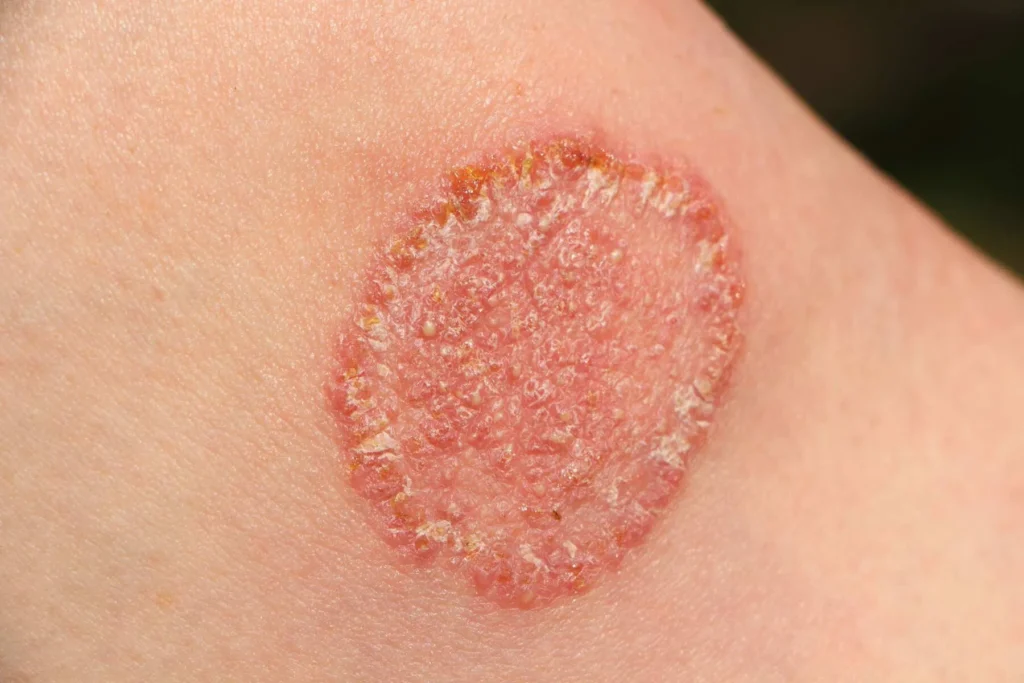
Damp clothing may seem like a small issue, but it can create the perfect environment for fungal skin problems. During monsoon and humid weather, clothes often stay wet for longer because of sweat, rain, or slow drying indoors. When damp fabric remains in contact with the skin for hours, it traps moisture, increases friction, and keeps the skin warm. This creates the ideal conditions for fungi to grow, especially in areas where the skin already tends to sweat more.
Many people ignore mild itching or redness at first, but fungal infections often begin this way. Understanding how damp clothing affects the skin can help you prevent recurring infections and protect both adult and children’s skin during humid weather.
Why Fungi Grow More Easily in Moist Conditions
Fungi thrive in warm, moist, and poorly ventilated environments. That is why fungal skin infections become more common during monsoon and in humid climates. When clothes remain damp from sweat or rain, they hold moisture close to the skin and reduce airflow. If the skin stays wet for too long, its protective barrier weakens and becomes more vulnerable to irritation and infection.
Body areas such as the groin, underarms, under the breasts, waistline, feet, and skin folds are especially at risk because they already tend to stay warm and sweaty. Damp clothing makes these areas even more prone to fungal overgrowth.
How Damp Clothing Irritates the Skin
Wet or sweaty clothes do not just create moisture. They also increase friction against the skin. Tight damp fabric rubbing against the body can irritate the skin and damage its surface. Once the skin barrier becomes weak, fungi can enter more easily and begin to multiply.
This is why fungal infections often start with mild redness, itching, or burning in areas where clothes stay wet or cling tightly to the skin. If a person continues wearing damp clothes regularly, the irritation may persist and the fungal infection may spread.
Why Monsoon Increases the Risk
The rainy season creates the perfect setting for fungal skin problems. People often get caught in the rain, wear wet socks or undergarments for too long, or stay in sweat-soaked clothing after travel or outdoor activity. Clothes may also take longer to dry indoors because of the humidity, and some people end up reusing slightly damp clothes without realizing how much it affects the skin.
This repeated exposure to moisture can lead to itching, rashes, and fungal infections, especially if the skin is not dried properly after bathing or sweating.
Common Areas Where Fungal Infections Appear
Fungal infections caused by damp clothing often affect areas where sweat and friction collect together. The groin is one of the most common sites because undergarments can stay damp for long periods. Underarms, inner thighs, skin folds, and under the breasts are also common areas, especially in hot and humid weather.
Wet socks and shoes can increase the risk of fungal infection on the feet, including itching, peeling, scaling, and irritation between the toes. In some people, the infection may spread slowly, while in others it may worsen quickly if the skin remains damp every day.
Early Signs of a Fungal Skin Problem
Fungal infections often begin with mild symptoms, which is why many people ignore them in the early stage. The skin may feel itchy, slightly red, or irritated. Over time, the rash may become more noticeable and may develop scaling, peeling, or a ring-shaped border. Some fungal infections cause darkened patches, burning, or a raw feeling in the affected area.
If the person keeps wearing damp clothes or continues to sweat heavily without changing, the rash may spread and become harder to control.
Children Can Also Be Affected
Children are not immune to fungal skin problems. They may develop rashes after wearing damp school uniforms, sweaty clothes after outdoor play, or wet innerwear for too long. Children with sensitive skin, eczema, or a tendency to sweat more may be at even higher risk.
Parents should pay attention to itching in the groin, underarms, neck folds, or feet, especially during monsoon. If the child keeps scratching or the rash does not improve, it is important to seek medical advice instead of trying repeated home remedies.
Tight Clothing Makes the Problem Worse
Tight clothing can worsen fungal infections because it traps even more heat and moisture against the skin. Fabrics that do not allow proper airflow can make the affected area stay damp for longer. This is one reason fungal rashes often become persistent in people who wear tight synthetic clothes during hot and humid weather.
Loose, breathable clothing helps reduce friction and allows the skin to dry more easily. This can lower the chance of fungal growth and also reduce irritation in already sensitive areas.
Recurrent Fungal Infections Need Attention
Some people notice that fungal skin problems keep coming back every monsoon or every time the weather becomes humid. This may happen because the skin is repeatedly exposed to the same triggers, such as damp clothing, poor drying habits, tight innerwear, excessive sweating, or incomplete treatment of an earlier infection.
Recurrent fungal infections should not be ignored. If the infection keeps returning, spreads quickly, or affects multiple family members, it is important to see a dermatologist for proper diagnosis and treatment.
How to Prevent Fungal Skin Problems from Damp Clothing
The best way to reduce the risk is to change out of wet or sweaty clothes as soon as possible. After getting caught in the rain, exercising, or sweating heavily, the skin should be cleaned and dried before putting on fresh clothing. Undergarments, socks, and clothes that stay close to the skin should always be dry before use.
Choosing breathable cotton fabrics can help reduce sweating and improve airflow. It is also important to dry body folds, feet, and groin areas properly after bathing. If clothes do not dry fully during monsoon, they should not be worn until they are completely dry.
When to See a Dermatologist
If itching, redness, scaling, or a rash does not improve within a few days, it is best to consult a dermatologist. Medical advice is also important if the rash spreads, becomes painful, causes skin cracking, or keeps returning. In children, repeated scratching, skin darkening, or rashes in body folds should be evaluated early.
A dermatologist can identify whether the problem is fungal, bacterial, allergic, or related to another skin condition. Proper treatment can prevent the infection from becoming more severe and reduce the chance of recurrence.
Conclusion
Damp clothing can easily lead to fungal skin problems because it keeps the skin warm, moist, and irritated for long periods. During monsoon and humid weather, this risk becomes even higher. Fungal infections often begin with itching and redness, but they can spread if the skin remains damp and treatment is delayed. Wearing dry, breathable clothing, keeping the skin clean, and changing out of wet clothes quickly can make a big difference. If a rash keeps returning or does not improve, early dermatology care can help protect the skin and prevent ongoing discomfort.